
Yemeni Media Between Bias and Polarization: Absence of Neutrality and Weak Southern Voice
- 2026-01-04 22:22:10
By / Mohammed Jamal Alawadhi
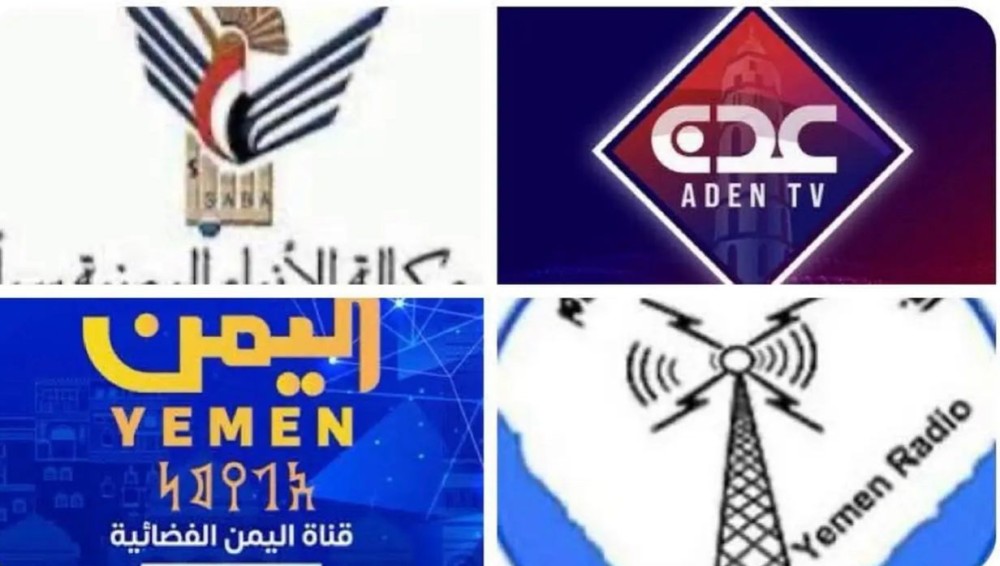
The Yemeni media landscape is marked by sharp polarization that directly shapes journalistic coverage and published content across various platforms.
Most Yemeni news sources tend to adopt the narrative of the internationally recognized government and the Arab coalition led by Saudi Arabia, focusing on highlighting government activities and presenting an official discourse supportive of the coalition.
This alignment reflects direct political and regional funding, undermining the possibility of balanced or neutral reporting and leaving audiences with a single sided narrative lacking diversity.
In contrast, media outlets affiliated with the Houthi movement continue to deliver a completely opposing narrative, attacking the Arab coalition and justifying the group’s control over Sana’a and its areas of influence. Their coverage relies on ideological and mobilizing rhetoric aimed at consolidating internal support. While strong within Houthi-controlled territories, this media lacks broad international reach and remains confined to a narrowly defined political discourse.
Southern media linked to the Southern Transitional Council suffers from weak institutional structures and limited resources, restricting its ability to compete with pro-government and Houthi outlets. Despite efforts to highlight the southern cause and address issues of local governance, services, and security, its influence remains limited nationally and internationally, often perceived as regional rather than part of the broader media landscape.
Independent or semi-independent outlets exist but face significant challenges, including security pressures, operational restrictions, and financial constraints. These factors hinder their ability to sustain impactful coverage or compete with politically and regionally funded platforms. While striving for professional reporting, their reach and influence remain limited, and they often face harassment that undermines their independence.
The absence of neutrality in Yemeni media stems from several factors, most notably reliance on political and regional funding that imposes clear editorial agendas, alongside a restrictive security environment that forces journalists into self-censorship and safe bias. Weak independent institutions and fragmented southern messaging further exacerbate the situation, making it difficult for any Yemeni outlet to provide balanced coverage.
In conclusion, the Yemeni media landscape reflects deep political and regional polarization, with neutral voices almost entirely absent.
Pro government and pro-coalition media dominate in reach and influence, Houthi outlets provide a counter-narrative, and southern media remains weak and limited. Independent institutions are present but marginal. This reality compels audiences to compare multiple sources to approach the truth, underscoring that media neutrality in Yemen remains a distant goal under current circumstances.