
Iraq’s Kataib Hezbollah defies US pressure, rules out giving up arms
- 2025-12-21 06:18:23
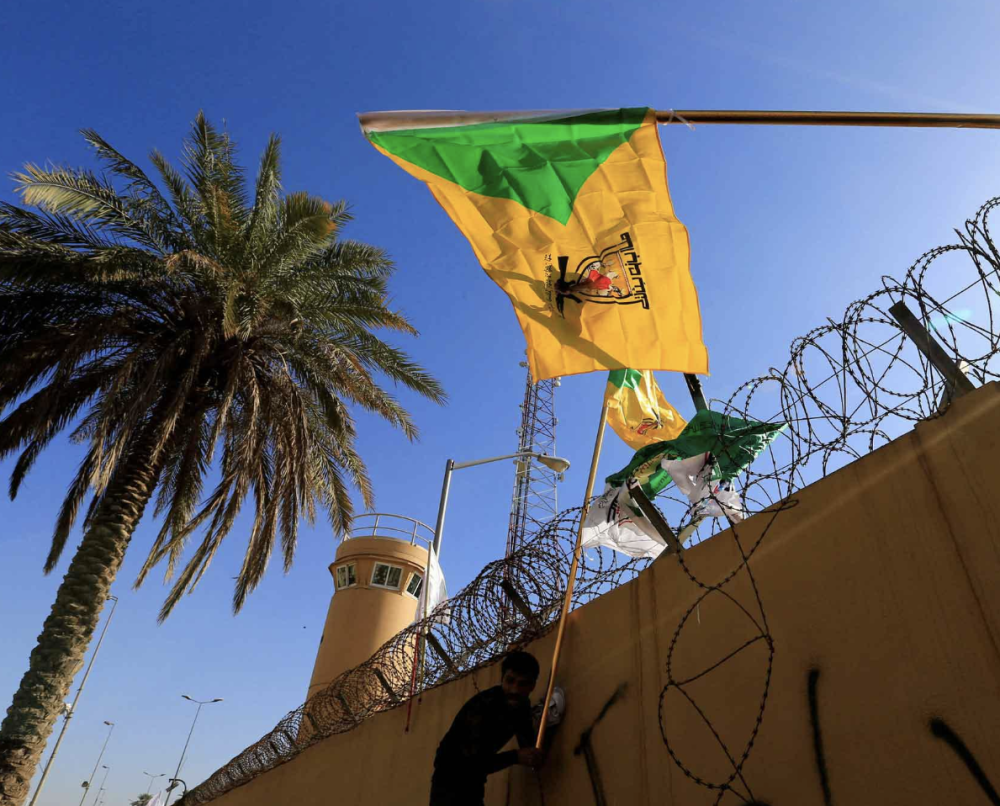
BAGHDAD – Iraq’s Iran-backed Kataib Hezbollah said on Saturday it categorically rejected any proposal to disarm or restrict weapons to the state, linking any understanding with the government to the withdrawal of all foreign forces from Iraq, in a stance that complicates the country’s political process and heightens pressure from Washington.
The United States has told Baghdad it will not recognise any government in which ministries or sovereign posts are granted to groups designated as terrorist organisations, including Kataib Hezbollah and Harakat al-Nujaba, according to Iraqi officials.
In a statement, Kataib Hezbollah, which is listed as a terrorist group by Washington, said there would be “no understandings with the government on restricting weapons before the withdrawal of foreign forces.”
The United States has for months sharply increased pressure on Iraq’s government to curb and dissolve armed factions and bring weapons under state control, while insisting that such groups not be included in the next government, particularly after they secured a significant number of parliamentary seats in the November 2025 legislative elections.
But factions such as Kataib Hezbollah and Harakat al-Nujaba have dismissed those demands. Kataib Hezbollah said in its statement that “resistance is a right, and its weapons will remain in the hands of its fighters,” adding that any discussion with the government would only take place after the departure of “all occupation forces, NATO and the Turkish army.”
The group also said such talks would require assurances to protect “our people and our holy sites from the threats of Jolani’s gangs and the Peshmerga,” according to the statement.
It said achieving full sovereignty, securing Iraq and preventing all forms of foreign interference were essential prerequisites for any discussion on limiting weapons to the state, adding that its position was fully consistent with those principles.
The statement criticised anyone considering handing over their weapons before full sovereignty was achieved, calling such a move a “personal decision” and urging those involved to return the weapons to their “original source”, describing them as a trust that must be returned to their owners.
Similarly, a senior figure in Harakat al-Nujaba reaffirmed on Saturday evening that the group would continue resisting US forces by all means. AbdulQader al-Karbala'i, the group’s military deputy, said in a statement posted on X that the continued US military presence in Iraq constituted a “flagrant violation of Iraqi sovereignty.”
He rejected what he described as delays in implementing an agreement on the withdrawal of foreign forces, saying US troops remained despite official and popular demands for their departure.
He accused Washington of persistent interference in Iraq’s internal affairs, including supporting and arming groups aimed at destabilising the country.
Earlier on Saturday, Iraq’s Supreme Judicial Council chief Faiq Zaidan said armed factions had responded positively to calls to restrict weapons to the state.
In a statement, Zaidan thanked faction leaders for responding to his advice on cooperating to enforce the rule of law, limit weapons to state control and move into political activity once the national need for armed action had ended.
Washington is expected to intensify pressure following the latest statements. The United States has previously threatened to cut up to 75 percent of financial assistance allocated to Iraqi security forces unless the US defence secretary can certify to Congress that Baghdad has begun “credible and publicly announced disarmament operations.”
The US administration has also demanded a reduction in the operational influence of armed factions within state institutions as a condition for lifting such restrictions.
Following the November 2025 elections, Washington, through its special envoy Mark Savaya, set strict conditions for forming the next government, warning it would not engage with any ministry under the influence of those factions, a move that could result in international and technical isolation of such institutions.
The United States has also expanded its response beyond targeting individuals, imposing sanctions on Iraqi companies and banks it accuses of serving as financial fronts for currency smuggling and financing armed factions.
In mid-June, Kataib Hezbollah threatened to strike US military bases if Washington intervened in the war between Iran and Israel. It said at the time that Iran “does not need military support from anyone to deter the Zionist entity,” adding that it was closely monitoring US troop movements in the region.
The group warned that any US intervention would lead it to target American interests and bases in the region “without hesitation.”