

Yemen: Tribal Extrajudicial Execution
- 2025-12-16 03:40:51
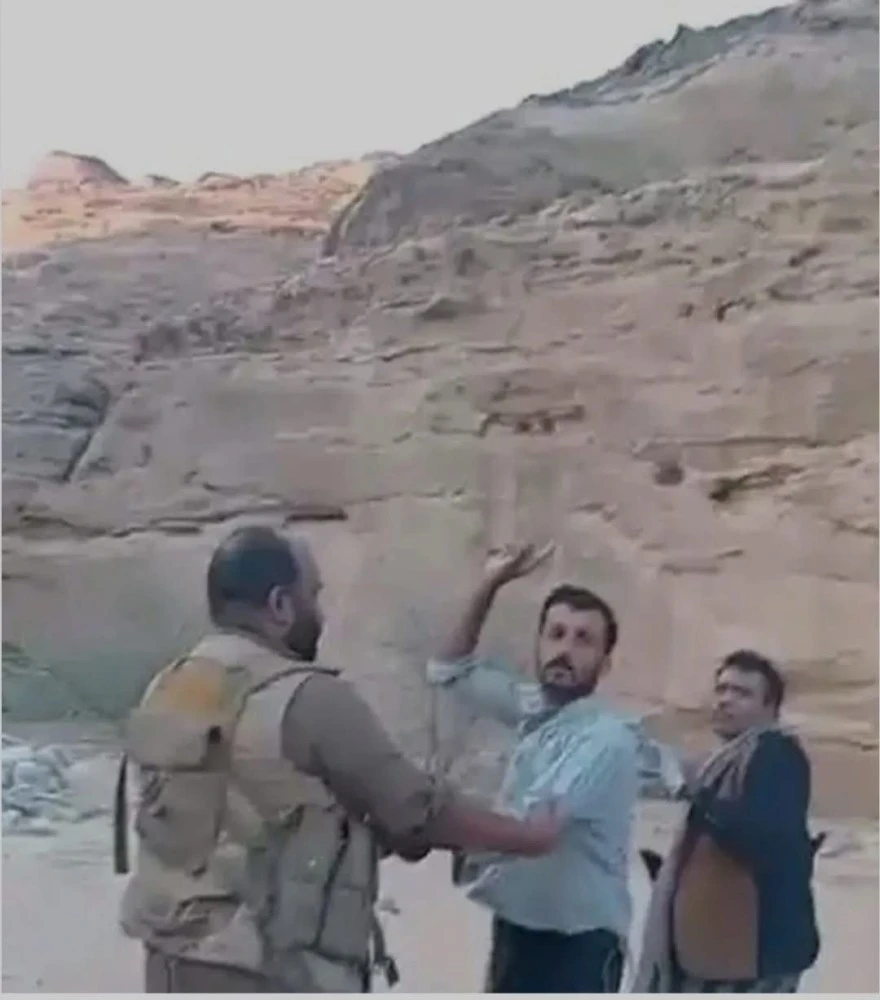
Shabwa — Governorate southeast of Yemen witnessed a tragic incident that has once again highlighted the dangers of resorting to violence outside state institutions, following a land dispute that escalated into a killing, and was later followed by what observers described as a “tribal execution” carried out outside the law.
According to available information, the incident began when a number of workers were carrying out work on a plot of land owned by the perpetrator. Basil Al-Marwah Al-Babakri later arrived at the site and ordered the work to stop. The dispute subsequently escalated into an armed clash, which ended with the killing of Basil Al-Babakri.
Following the incident, the family of the perpetrator (Al-Bahaj) rushed to hand over their son to the family of the victim (Al-Babakri) in a scene of tribal arbitration and surrender, a step that was expected to pave the way for resolving the case either through customary mediation or through the competent authorities. However, the victim’s family took custody of the perpetrator, threw him to the ground, and immediately fired dozens of bullets at him from their rifles, killing him on the spot.
The incident sparked widespread condemnation, as observers and tribal figures stressed that what occurred does not represent the tribe nor reflect authentic tribal values. They also emphasized that it has no basis in Islamic law, which stipulates a fair and dignified implementation of retribution carried out through the judiciary and relevant authorities, not through revenge and vigilantism.
Activists described the act as a “black stain” in tribal custom, given its violation of the sanctity of life and the undermining of the principle of arbitration. They called on local and security authorities to assume their responsibilities, launch an urgent investigation, and ensure that such incidents are not repeated, as they threaten social peace and promote a culture of lawlessness.
Community voices further affirmed that strengthening the role of the state and activating the judiciary is the only way to halt the cycle of violence and protect society from sliding into chaos driven by revenge outside the rule of law.