
Mubadala partners with Actis to invest $352m in renewable energy firm Rezolv
- 2025-12-22 08:36:46
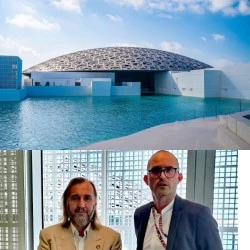
Abu Dhabi’s Mubadala Investment Company will invest €300 million ($352 million) in clean power company Rezolv Energy, in partnership with infrastructure investor Actis, to accelerate energy transition projects in Europe.
The partnership will help speed up Rezolv Energy's growth with the goal of turning it into a major renewables player in Central and Eastern Europe, Mubadala said in a statement on Monday.
Since its launch by London-based global infrastructure investor Actis in 2022, Rezolv Energy has developed a portfolio of 2.3 gigawatts in large-scale wind and solar projects in Romania and Bulgaria.
“This investment is a clear reflection of our strategy to invest and scale real assets that enable the transition to a low-carbon economy,” Saed Arar, head of infrastructure at Mubadala Real Assets, said.
Mubadala, which invests on behalf of the Abu Dhabi government, is at the heart of the emirate’s efforts to diversify its revenue base and generate income from sources other than oil. The sovereign wealth fund's $330 billion portfolio spans investments in future-focused sectors including artificial intelligence, health care, advanced manufacturing and renewables.
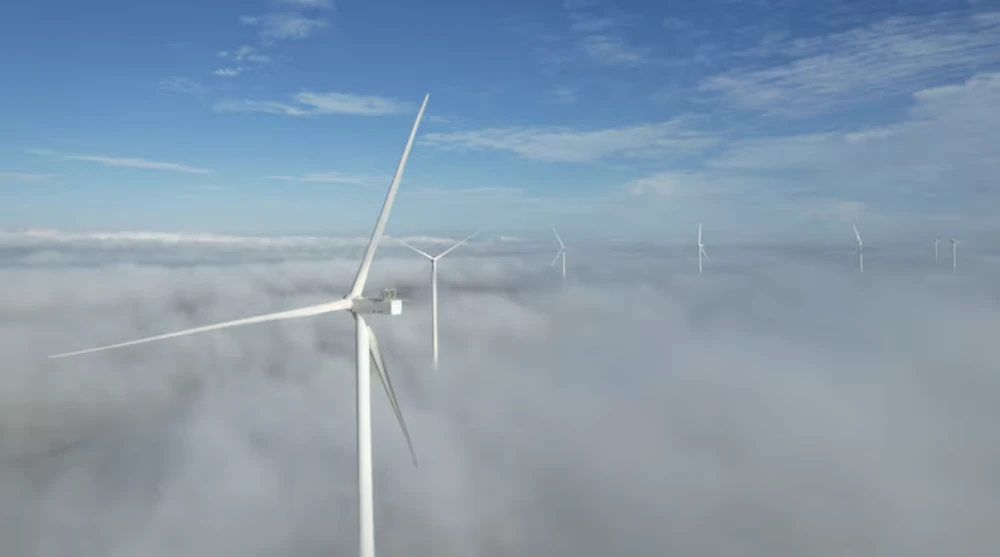
Rezolv Energy has about 750 megawatts of renewable energy projects under construction in Romania and Bulgaria and an additional 1.5GW pipeline of projects in advanced development, including Europe’s largest solar power generation project, Dama, in Romania.
“With the financial and technical backing of Actis, Rezolv Energy has already made huge progress, with two large-scale renewable energy projects in construction in south-eastern Europe and two more about to move into the construction phase,” Alastair Hammond, chief executive of Rezolv Energy, said.
Global renewable power capacity is expected to double between now and 2030, increasing by 4,600 gigawatts, according to the International Energy Agency.
Solar power accounts for almost 80 per cent of the global increase, followed by wind, hydropower, bioenergy and geothermal, it said in an October report.
In more than 80 per cent of countries worldwide, renewable power capacity is set to grow faster between 2025 and 2030 than it did over the previous five-year period.
However, challenges including grid integration, supply chain vulnerabilities and financing are also increasing, the IEA added.