
UN Says 2,000 ISIS-K Fighters Active in Afghanistan, Using Children for Suicide Training
- 2025-12-20 05:52:08
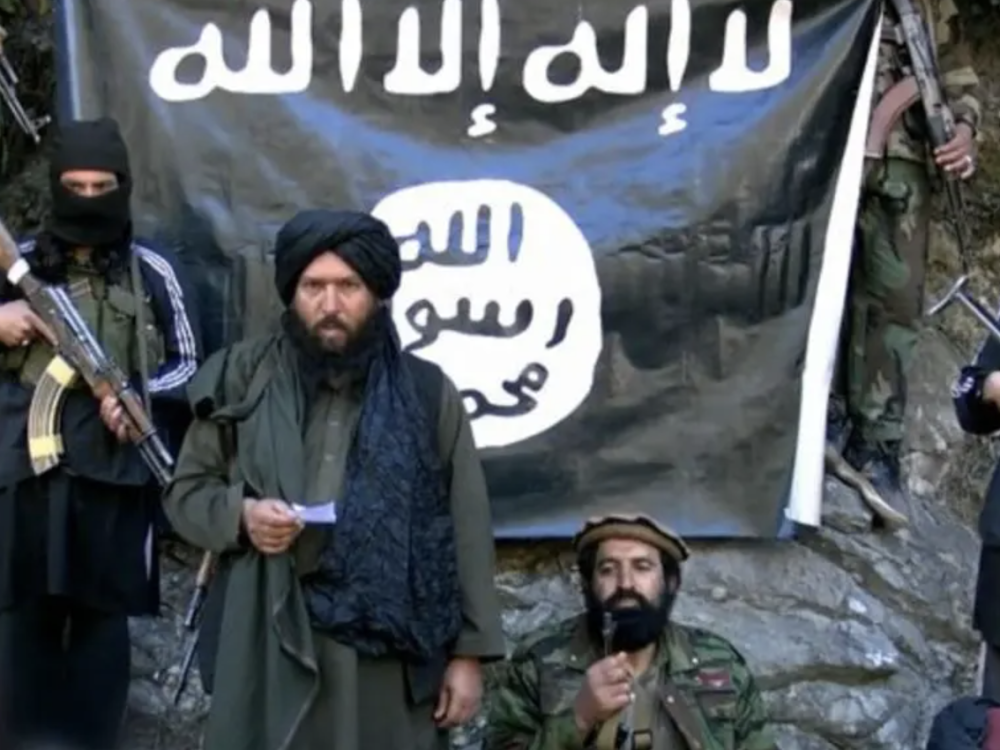
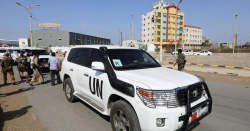
The United Nations reports that ISIS-K maintains around 2,000 fighters in Afghanistan, indoctrinating children under 14 and threatening regional security with ongoing terrorist operations.
The United Nations Security Council (UNCS) has estimated that ISIS-K, the Khorasan branch of the Islamic State, maintains roughly 2,000 fighters in Afghanistan, according to a recent report. Leadership is dominated by Afghan Pashtuns, while many fighters come from Central Asian countries.
The report says ISIS-K’s primary objectives include executing large-scale attacks globally and demonstrating its capacity to recruit fighters and attract financial support. Analysts warn that the group’s reach poses a continued threat to both Afghanistan and the wider region.
According to the UN, Afghanistan hosts more than 20 regional and international terrorist organizations, including ISIS-K, Tehrik-i-Taliban Pakistan, Al Qaeda, the East Turkestan Islamic Movement, Jamaat Ansarullah, and the United Mujahideen Front of Pakistan. These groups have been linked to attacks both inside Afghanistan and in neighboring countries.
Taliban intelligence officials have repeatedly asserted that ISIS-K has no permanent bases inside Afghanistan, claiming that recent attacks are planned from outside the country. However, UN findings and international media reporting contradict this, indicating that militant networks remain active domestically.
UN monitors described Taliban claims that no terrorist organizations operate within Afghanistan as “unsubstantiated.” The Security Council report notes that multiple countries consistently confirm the active presence of extremist groups, undermining assurances offered by the Taliban.
Of particular concern, ISIS-K has reportedly established schools in parts of northern Afghanistan and areas near the Pakistan border, where children under 14 are indoctrinated and trained for suicide missions. The UN described this use of minors as deeply alarming.
Pakistan media reported that the country’s Inter-Services Intelligence (ISI) recently arrested Sultan Aziz Azzam, a key ISIS-K spokesperson, near the Afghanistan-Pakistan border, highlighting regional counterterrorism efforts. Analysts note this demonstrates Islamabad’s ongoing focus on preventing cross-border attacks.
The report also details that ISIS-K and allied groups, including Tehrik-i-Taliban Pakistan, have carried out attacks against Pakistan from Afghanistan territory, intensifying tensions between Kabul and Islamabad.
Experts say the UN report underscores Afghanistan’s continuing role as a safe haven for multiple extremist groups. Regional and international authorities are increasingly concerned that without concerted counterterrorism measures, these organizations could expand their influence and carry out further attacks across the region.